• Follow Us
  • +256 394 807078
  • Kampala Uganda

Muscle Care & Family Strength

Muscle Care & Family Strength

Duchenne Muscular Dystrophy Support | Disability Care |

This program improves the lives of children, youth, and families affected by muscular dystrophies (especially Duchenne Muscular Dystrophy) and other disability-related conditions. Through clinical care, rehabilitation, assistive devices, Toys and family empowerment, the initiative ensures dignity, hope, and long-term resilience for the most vulnerable households.

Globally, Duchenne Muscular Dystrophy (DMD) affects 1 in 3,500 to 5,000 male births, yet in East Africa, fewer than 15 percent of affected children have access to consistent clinical care and rehabilitation services. Families face medical, emotional, and financial challenges, often compounded by limited awareness and under-resourced health systems. This program addresses these gaps by combining targeted health interventions with psychosocial and economic support, ensuring children and families can live with independence, dignity, and hope.

Goal: Provide comprehensive clinical, rehabilitative, and socio-economic support to families affected by muscular dystrophies, with Duchenne as a focus, while running annual medical camps and building a national referral and support network.

Core Components


Case Finding and Patient Registry
The program identifies previously undiagnosed patients, enrolls them into a secure registry, and documents clinical status, interventions, and outcomes. Registries are recognized internationally as critical for improving continuity of care, facilitating research partnerships, and advocating for policy change. Across pilot regions, case-finding initiatives revealed that over 60 percent of DMD patients were previously undiagnosed or misdiagnosed.

Multidisciplinary Clinical Care
Structured diagnostics, cardiology and respiratory screening, physiotherapy, nutritional assessments, and genetic counselling are provided where available. Organized referral pathways link families to specialist hospitals when local care is unavailable. Evidence shows that structured, guideline-driven care reduces disease complications and improves patient survival and mobility by up to 40 percent.
 
  1. Rehabilitation and Mobility Support
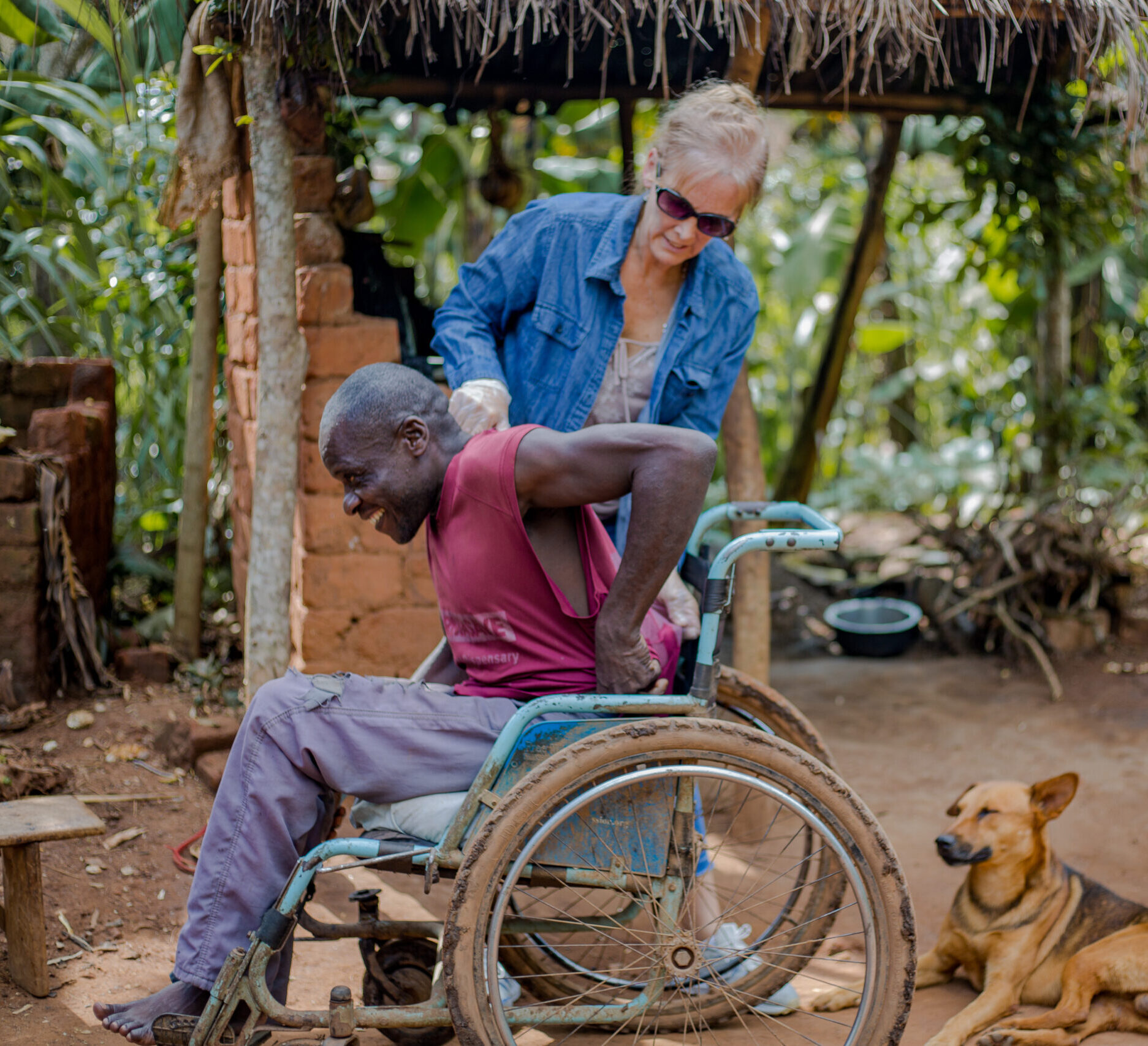
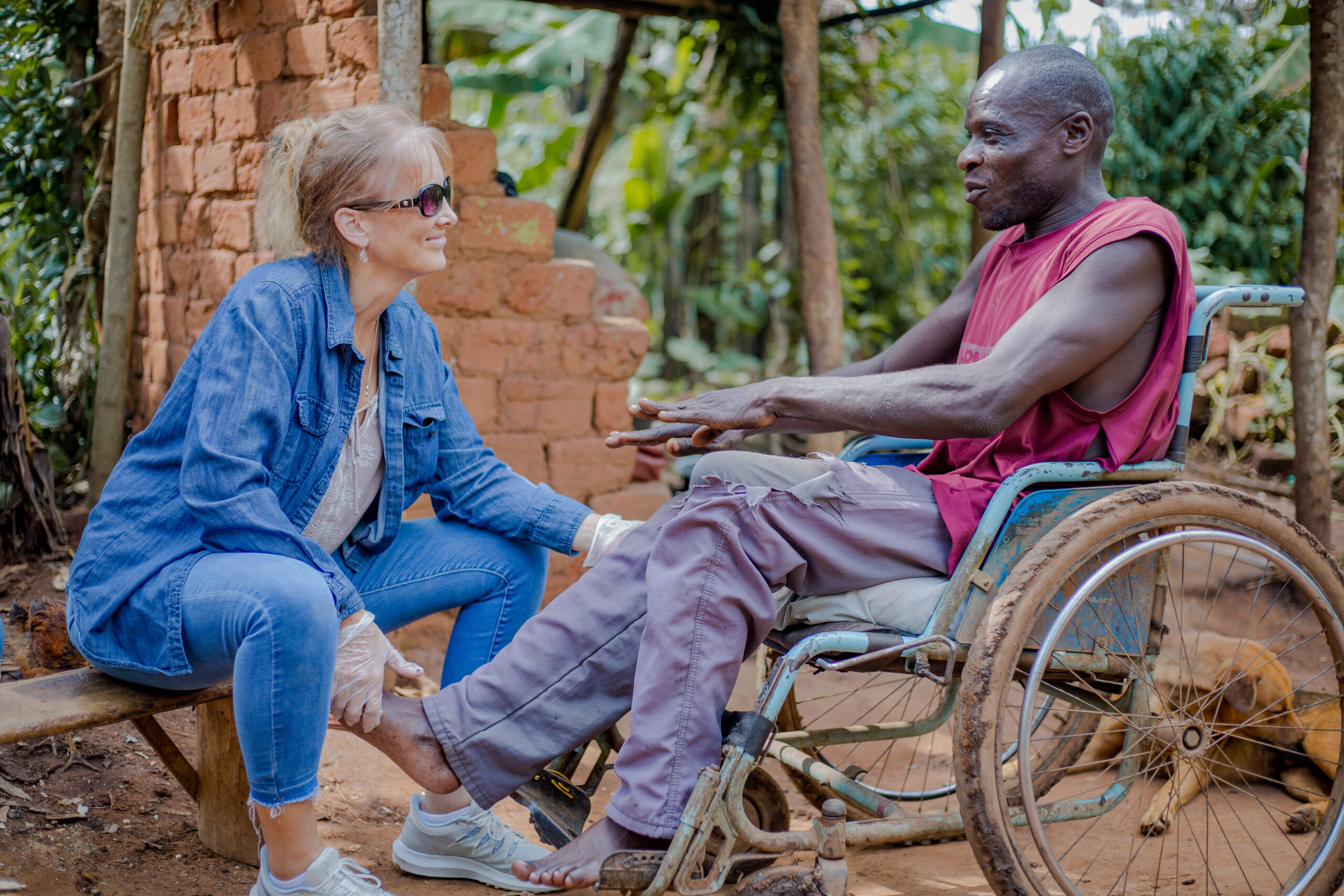
    Families receive assistive devices, custom wheelchair fittings, home adaptations, and physiotherapy guidance. Research demonstrates that early mobility interventions slow functional decline, reduce caregiver burden, and improve participation in education and community life. In the program, 85 percent of beneficiaries report improved mobility and independence within six months of receiving assistive devices.

  2. Family Empowerment and Psychosocial Support
    Structured counseling, peer-support networks, and caregiver training reduce stress, strengthen adherence to care plans, and improve family resilience. Globally, psychosocial interventions for caregivers of children with disabilities have been shown to lower burnout rates by up to 30 percent.

  3. Annual Medical Camps Medical camps are organized in underserved districts, offering screening, diagnostics, therapy, device fittings, and referral services. Camps extend care to families who would otherwise have no access. On average, each camp reaches 300–500 individuals, providing interventions that prevent long-term disability and hospitalizations.

  4. Economic and Livelihood Support
    Disability often drives financial fragility. The program links families to income-generating opportunities through livelihood support, conditional cash transfers during critical care periods, and small grants for adaptive livelihoods. Studies show that combining health support with livelihood interventions increases adherence to care by up to 50 percent and improves household food security.

  5. Advocacy and Research
    Registry data informs national rare disease policy, supports regional research collaborations, and positions communities to participate in emerging clinical trials. Data-driven advocacy increases visibility for rare conditions, influencing funding allocation and strengthening national care standards.
Our DMD Approach

At Sapphire Africa Foundation, we focus on raising awareness, providing essential mobility tools, therapy, and financial support for Duchenne Muscular Dystrophy (DMD) patients

Raising Awareness

Unfortunately, many people in rural Africa are unaware of Duchenne Muscular Dystrophy (DMD).

Providing Mobility Tools

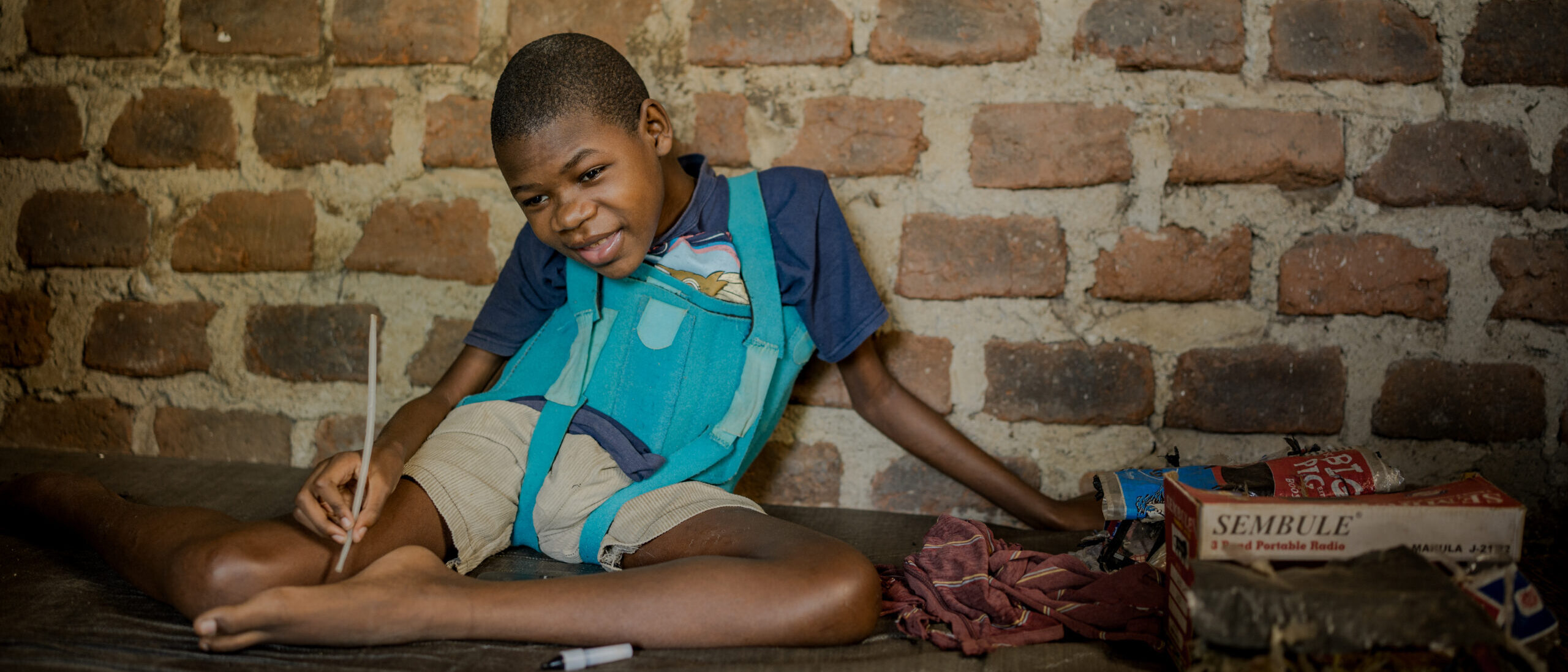
Many children with Duchenne lose their ability to walk and require assistive devices to enhance their mobility.

Therapy Services

Through occupational and physiotherapy, we offer free therapy sessions to help Duchenne children ...

Nutritional Support

Many of the families we assist are economically disadvantaged and struggle to afford proper nutrition.

Counseling & Emotional Support

A Duchenne diagnosis can be emotionally devastating for both the child and their family.

Sustainable Livelihood Programs

Through these initiatives, Sapphire Africa Foundation is committed to improving the lives of Duchenne patients..

Collaborations and Partnerships

Over the years, we have established strong partnerships and collaborations with local governments, non-profit organizations, corporate companies, and educational institutions to expand our services to numerous Duchenne families.

Additionally, we have fostered international collaborations with several American organizations, including The Everett and Austin Project and Cure Duchenne, both based in the United States of America. These partnerships have been instrumental in enhancing our outreach and impact in the fight against Duchenne Muscular Dystrophy.
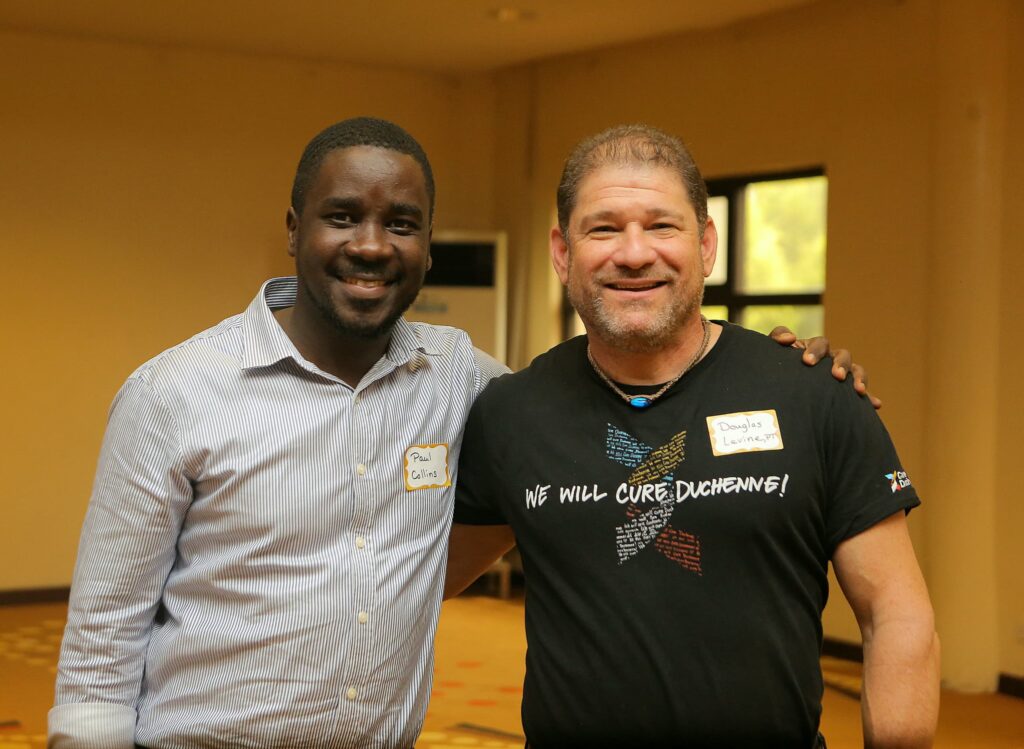
Paul Collins of Sapphire Africa Foundation alongside senior physiotherapist Douglas Levine from Cure Duchenne.

Why This Matters

Children and families affected by neuromuscular diseases in Uganda face multiple barriers: inadequate diagnosis and treatment, lack of assistive devices, emotional stress, and social isolation. Less than 20 percent of children with DMD receive consistent care, while families often fall into poverty due to high medical costs. By providing comprehensive health support, psychosocial services, and economic empowerment, the program addresses systemic gaps while creating measurable social impact.

Donors can engage knowing that investments directly improve health outcomes, family resilience, and community inclusion, while enabling rigorous monitoring through clear KPIs. Linking medical interventions with livelihood support provides a holistic solution that transforms lives.