S2S Program – Skill to Scale
Empowering Women & Youth Entrepreneurs | Vocational Training | Business Development
The S2S Program supports women and youth ready to transform their ideas into viable enterprises that strengthen local economies. Rooted in social enterprise principles, this initiative blends vocational training, entrepreneurial development, and seed or early stage financing to enable participants to participate meaningfully in markets, improve household income, and contribute to inclusive growth. This approach responds to a critical gap, as more than 70 percent of micro and small businesses in Uganda struggle to survive due to limited skills and capital, while formal employment remains limited for thousands of young people.
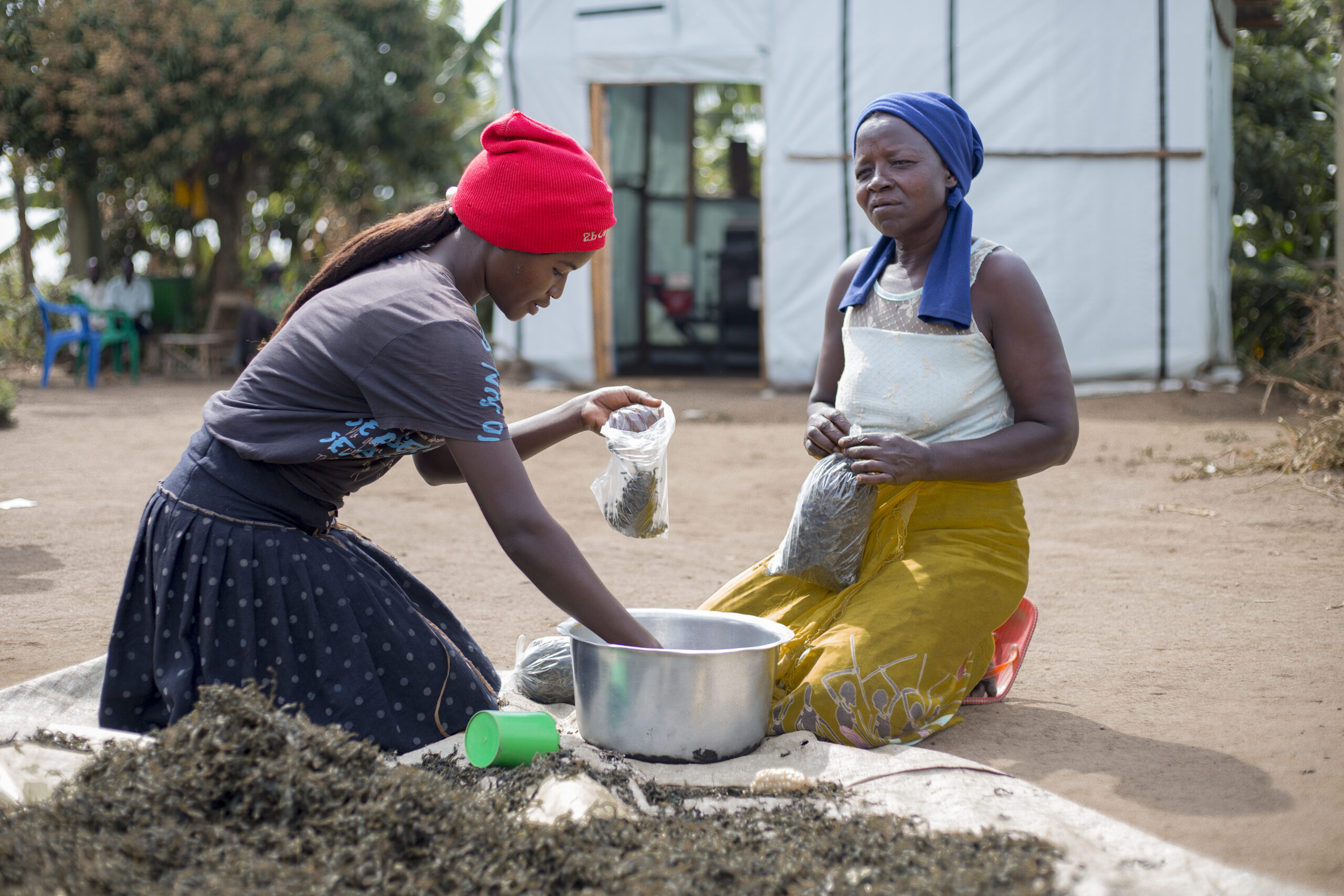

The S2S Program equips participants with market-relevant skills, mentorship, and access to capital through the Sapphire Fund. Many individuals possess creativity and ambition but lack practical business foundations. By applying a social enterprise lens, the program ensures that enterprises are not only profitable, but also socially beneficial and integrated within community value chains. Participants receive structured business development support, hands-on coaching, and clear pathways to launch and grow income-generating ventures.
Vocational training tracks in fashion design, digital services, agribusiness, and creative industries enable participants to create products and services aligned with market demand. Research across East Africa shows that vocational training supplemented with capital access can increase employment outcomes by up to 65 percent. The S2S Program stands as a long-term investment in economic resilience, supporting families, reducing dependency, and stimulating grassroots innovation.
S2S Program Goal
Core Components
The S2S Program advances equitable economic inclusion for marginalized groups across Africa. Through targeted community outreach and partnerships, we identify individuals most likely to create measurable social impact including persons with disabilities, caregivers of children with disabilities, families affected by Duchenne Muscular Dystrophy, vulnerable women, and youth with scalable business concepts. Uganda’s disability community continues to report poverty levels nearing 80 percent, reinforcing the importance of tailored interventions.
Each applicant undergoes diagnostics and idea validation to ensure market fit, strengthen enterprise feasibility, and identify growth pathways. Regional data shows that businesses launched through structured screening are twice as likely to survive beyond two years.
Our curriculum offers two tracks: market-aligned vocational skills and enterprise development, covering digital marketing, customer service, product design, and technology integration. Training is delivered through blended models including residential workshops, mobile learning, and apprenticeships with local enterprises, elevating accessibility and practical exposure consistent with global workforce development standards.
During incubation and prototyping, participants test assumptions through mini-incubators, pop-up markets, and local exhibitions. Social enterprise research confirms that early product testing increases revenue growth by 25 percent within the first year.
Through the Sapphire Fund, beneficiaries access small grants and low-interest microloans to launch or scale operations. This hybrid structure recycles capital to future cohorts and promotes financial sustainability across the program lifecycle. Microfinance paired with mentorship has been shown to reduce household dependency ratios by up to 20 percent.
Mentorship and market linkage frameworks connect entrepreneurs to private sector coaches, cooperatives, alumni networks, and digital marketplaces. Direct introductions to supply chains strengthen value chain integration and long-term enterprise visibility. Entrepreneurs with sustained mentorship report income increases of more than 50 percent within two years.
The program concludes with continuous coaching, quarterly check-ins, and a market-day showcase where participants pitch to donors, investors, and buyers. This milestone accelerates visibility, customer acquisition, and confidence.
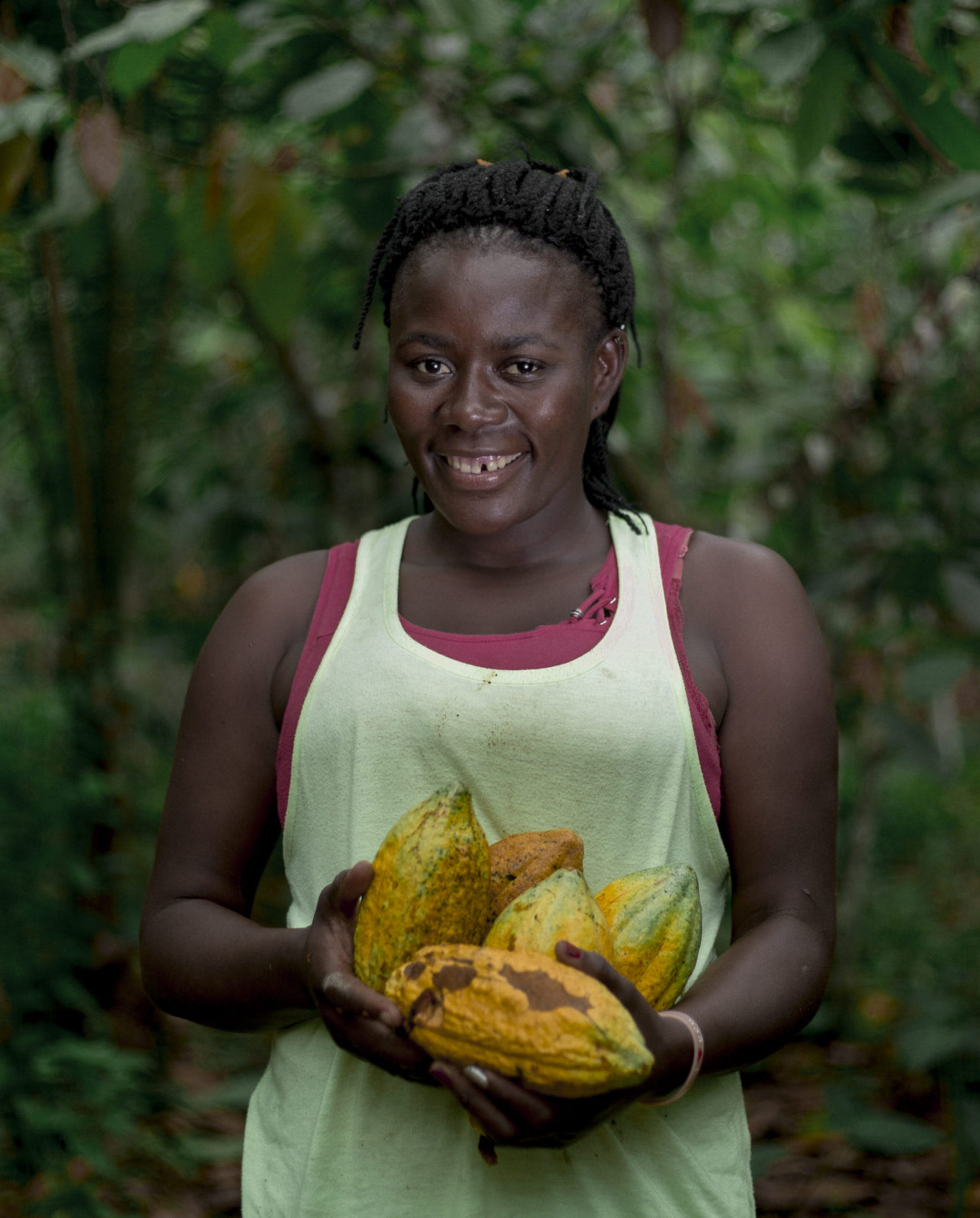

Across Uganda, access to practical skills and financial services remains limited for women and youth. More than 78 percent of the population is under thirty, yet over half struggle to secure formal employment. By offering vocational training, business education, and ongoing mentorship, the S2S Program addresses economic inequality and community vulnerability, positioning local entrepreneurs as engines of opportunity.
- Skills training in tailoring and fashion design, food processing, Electricals , beauty services, agribusiness, and digital services
- Business and financial training on bookkeeping, pricing, marketing, digital presence, customer relations, and business planning
- Idea validation and prototyping to test solutions in real markets before launch
- Seed financing through the Sapphire Fund offering grants and low-interest loans
- Mentorship and market linkages connecting entrepreneurs to buyers and growth networks
- Graduation and scaling support for replication and expansion
- Household income improvement tracking
- Job creation through participant enterprises
- Seed capital repayment and recycling systems that fuel future cohorts
The Ideal Future State
Over time, communities gain stronger, self-sustaining local markets driven by youth and women operating profitable enterprises linked to broader value chains. Families experience higher earnings, increased access to education, and reduced vulnerability to economic shocks. Within five years, this model can generate thousands of jobs, elevate household income by more than 30 percent, and recycle capital into future cohorts, fuelling a continuous cycle of locally grown economic development.