In many communities across Uganda, disability is still too often associated with limitation rather than possibility. Yet some of the greatest opportunities for innovation, resilience, and sustainable community transformation exist within the very communities that are most frequently overlooked.
Over the years, while working with families across districts such like Wakiso, Nakaseke, Bushenyi, Kampala, and other underserved communities, I have seen how disability affects far more than mobility alone. It affects access to education, healthcare, employment, social participation, and even dignity within society. Many families travel long distances seeking rehabilitation services, mobility support, or specialized care that is often unavailable within their communities.
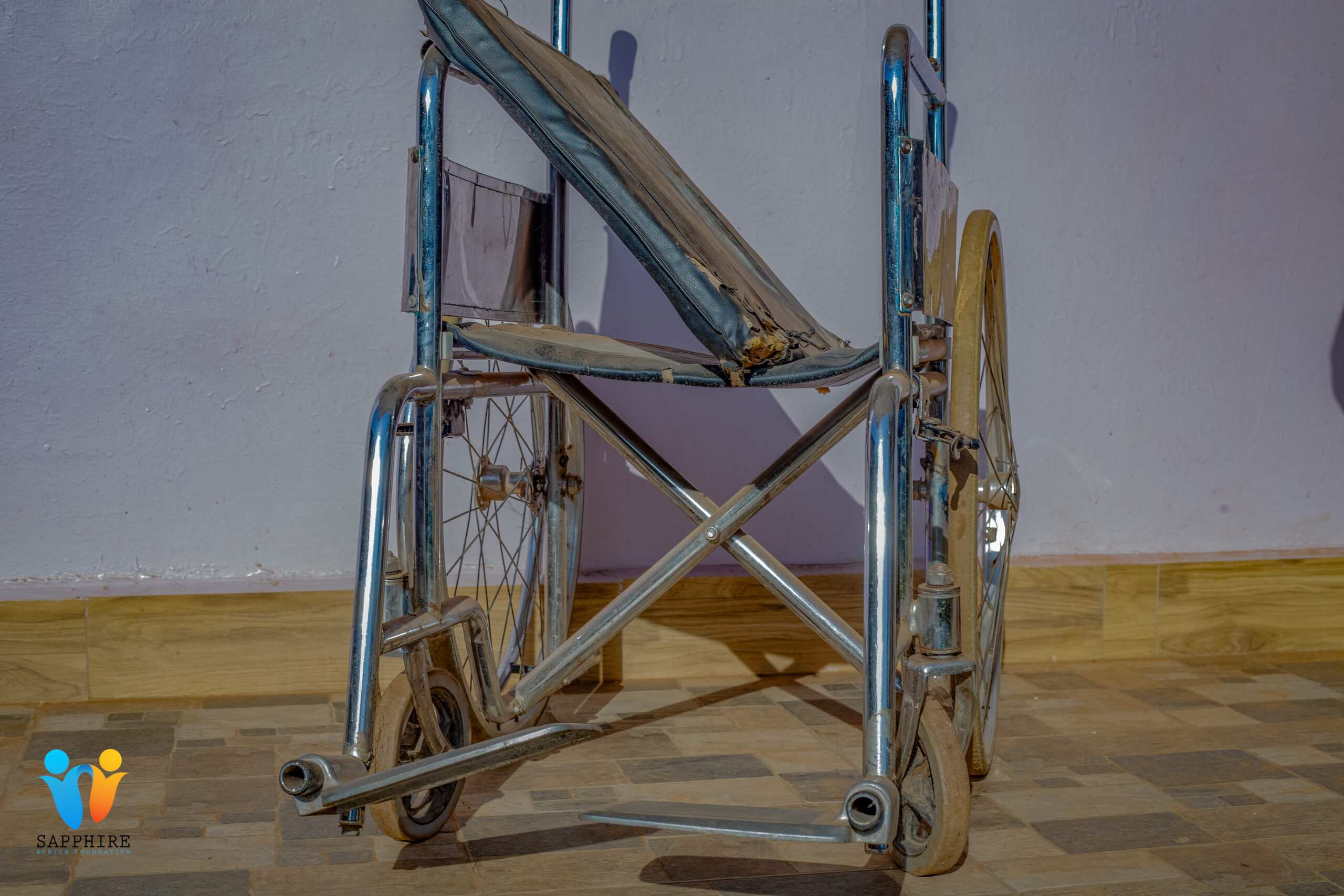
In some homes, a child misses school simply because they do not have a wheelchair. In others, caregivers spend years carrying growing children on their backs because there are no accessible mobility solutions or rehabilitation programs nearby. These are realities that many people outside these communities may never fully see, yet they continue to shape the lives of thousands of families every day.
At Sapphire Africa Foundation, we continue to witness how community-driven innovation can transform lives in ways that extend far beyond physical support. A wheelchair is not simply a mobility device. It becomes access to school for a child who had dropped out. It becomes independence for someone who had spent years isolated indoors. It becomes dignity for families who had lost hope in finding support.
One of the most important lessons I have learned is that innovation in low-resource settings does not always begin with expensive technology or highly sophisticated systems. Sometimes innovation begins with understanding local realities and designing practical solutions around them. It means creating rehabilitation pathways closer to communities, strengthening caregiver support systems, improving access to assistive devices, and building partnerships that respond directly to the challenges families are facing on the ground.
Across many rural communities in Uganda, there is still a significant gap in disability support services, assistive technology access, rare disease care, and inclusive community infrastructure. Yet there is also enormous potential. Communities themselves often carry the knowledge, resilience, and willingness needed to drive meaningful change when given the right support and partnerships.
As conversations around global development, healthcare, and innovation continue to evolve, disability inclusion must move from the margins of these discussions to the center of policy, investment, and community planning. Inclusive systems are not acts of charity; they are investments in human potential, community resilience, and sustainable development.
There is also a growing need for stronger collaboration between local organizations, healthcare professionals, international partners, researchers, innovators, and policymakers. Sustainable impact happens when global support is combined with local understanding and community trust. The most effective solutions are often those built with communities rather than for communities.
The future of innovation in Africa cannot only focus on urban infrastructure, digital systems, or emerging technologies while leaving vulnerable communities behind. It must also focus on accessibility, rehabilitation, inclusive healthcare, mobility, education, and economic empowerment for persons with disabilities and their families.
The true measure of progress is not simply how advanced our societies become, but how intentionally we include those who have historically been excluded from opportunity.
As leaders, organizations, and development partners continue shaping the future of community development, we must build systems that ensure every individual regardless of ability or background has the opportunity to live with dignity, independence, and hope.


Leave a comment